Securing Environment...
 V
VVigilantcore
Typically replies instantly
Hi there! 👋
Looking for EHS compliance support or have questions about our services? Let us know how we can help.
New:Is your facility audit-ready?
Securing Environment...
VTypically replies instantly
Hi there! 👋
Looking for EHS compliance support or have questions about our services? Let us know how we can help.
New:Is your facility audit-ready?
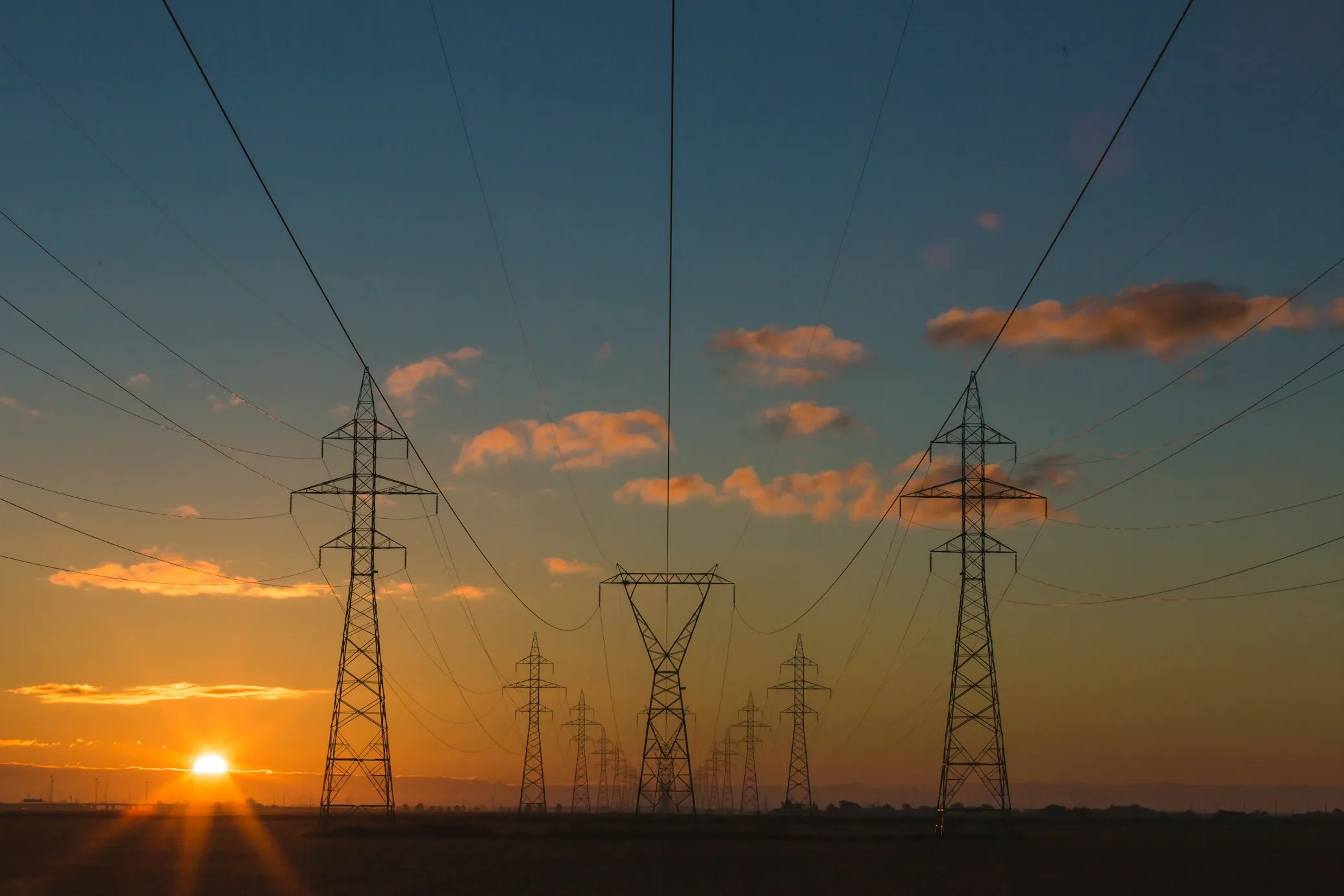
Vigilantcore's Technical Studies and Electrical Safety division provides high-precision engineering audits that go far beyond standard continuity checks. We utilize advanced diagnostic tools to ensure your electrical infrastructure is both safe and resilient.
Our **Infrared Thermography** service identifies hotspots in live panels and transformers that are invisible to the naked eye, allowing for preventive maintenance before failure occurs. We also specialize in **Arc Flash Assessments**, establishing safe work boundaries and defining mandatory PPE requirements to protect maintenance teams.
For facilities in high-risk zones, our **Lightning Protection Audits** and **Earthing Measurements** ensure that strike energy is safely dissipated, protecting sensitive electronics and preventing structural damage.
Our specialized experts are ready to engineer a safer, more sustainable environment for your organization.
"Power quality and thermal audit for a Tier-3 facility."
Detected 14 critical hotspots and resolved harmonic distortions that were causing server instability, ensuring 99.99% uptime.
It allows us to find loose connections or failing insulation while the plant is running, preventing unplanned shutdowns and potential fire incidents.
It is critical for worker safety. It determines the incident energy levels at each panel so workers know exactly what level of protective clothing is required for maintenance.
Yes, we perform comprehensive earth pit resistance measurements and grid integrity checks to ensure safe fault current dissipation.
End-to-end fire prevention, detection, and life safety solutions.
Advanced risk assessment and process safety management systems.
Strategic technical intelligence for mergers and acquisitions.